


Contact Info
106 Anne Rd, Knoxfield VIC 3180, Australia
+61 (03) 82023009
info@ninjaweb.com.au
Contact usRecommended Services


Supported Scripts
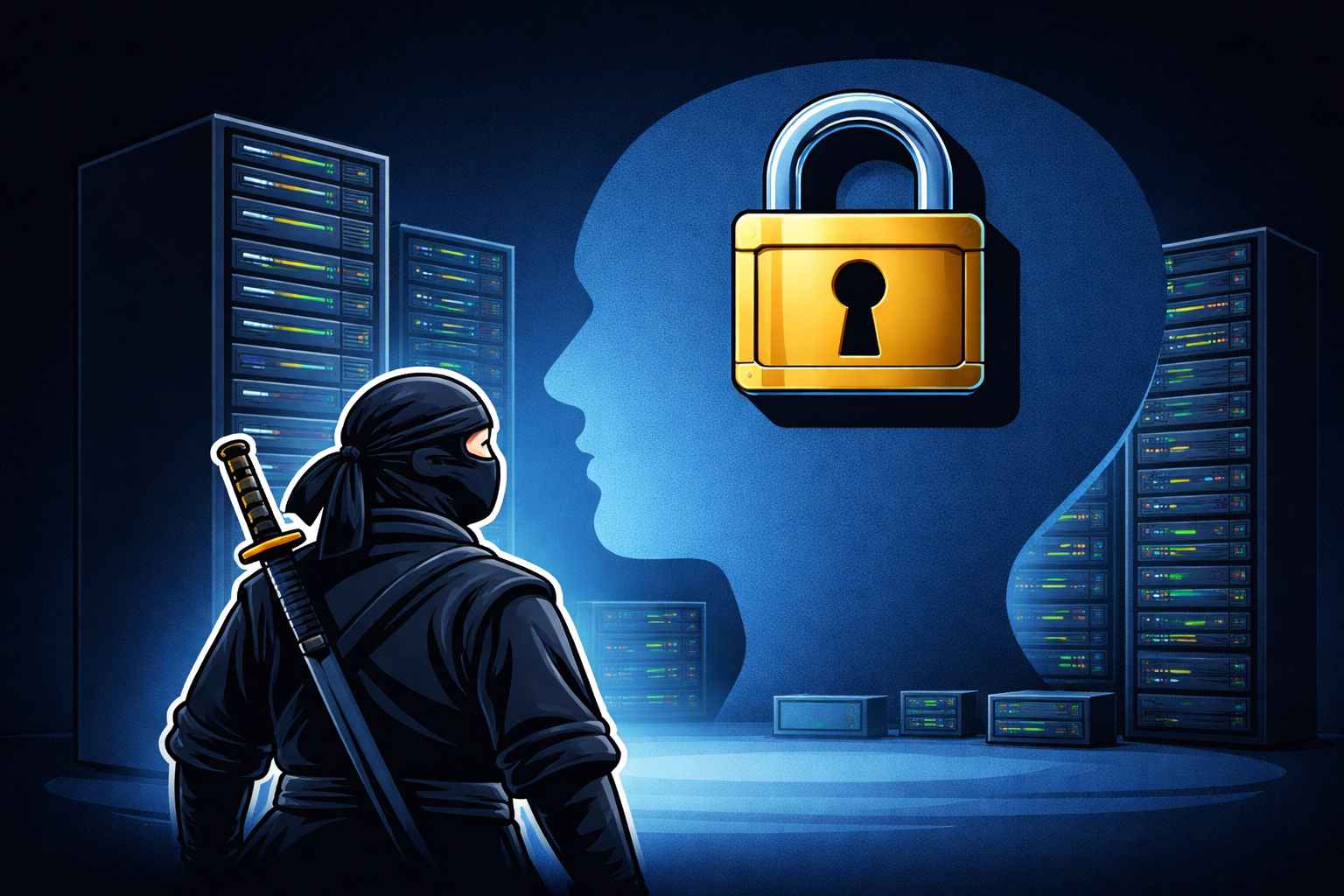

Most businesses don’t realise how much they rely on undocumented digital knowledge.
It’s not written down. It’s not shared. It’s not owned by the company. It lives in someone’s head.
At first, this feels efficient. One person knows how things work. Changes are quick. Problems get fixed fast. There’s no need for process or documentation because “we’ve always done it this way”.
Until something changes.
The comfort of knowing “who to ask”
Every organisation has at least one of these people.
They know how the website was built, which changes are safe, where credentials are stored, and who the original vendor was. Nothing is written down, but everyone feels safe because there’s a person to ask.
That comfort is misleading.
When knowledge becomes a single point of failure
The moment digital knowledge lives in one person’s head, the business becomes fragile.
Not because that person is unreliable, but because people are human. They go on leave. They get sick. They resign. They change roles. They forget details over time.
When that happens, the business doesn’t just lose a staff member. It loses access to how its systems actually work.
The slow drift into risk
This problem builds quietly.
A small workaround here. A quick fix there. A decision made in a rush that never gets revisited. Credentials saved in a browser. Notes kept in personal tools. Assumptions passed verbally instead of documented.
Over time, the system becomes understandable only to the people who were there when decisions were made. New staff inherit outcomes, not reasoning.
What breaks when the knowledge holder leaves
When the person holding digital knowledge steps away, businesses usually discover the problem in stages.
First, small things take longer. Simple changes suddenly need investigation. Then confidence drops. No one is quite sure what’s safe to touch. Then comes hesitation. Teams avoid making changes altogether because the cost of getting it wrong feels too high.
Eventually, something breaks and no one knows where to start. At that point, the business is no longer operating its digital systems. It’s reacting to them.
Why this is hard to fix after the fact
Once knowledge is gone, recreating it is expensive.
It means auditing systems. Reverse-engineering decisions. Testing assumptions. Digging through old emails and accounts. Talking to vendors who may no longer exist.
None of this work moves the business forward. It only restores what used to be known.
Why businesses allow this to happen
This problem doesn’t come from negligence. It comes from pressure.
- Speed matters more than documentation
- Delivery matters more than structure
- Knowledge sharing feels like overhead
- “We’ll document it later” never happens
In growing businesses, everyone is focused on forward motion. Capturing knowledge feels secondary, until it isn’t.
The difference between knowing and owning
There’s a critical distinction most companies miss.
Knowing how something works is not the same as owning that knowledge.
Ownership means it’s documented, it’s accessible, it survives staff changes, and it belongs to the business, not individuals.
Without that, the business is renting understanding from its own people.
The quiet advantage of shared knowledge
Companies that document digital decisions move differently.
They onboard faster. They make changes with confidence. They don’t freeze when someone leaves. They don’t panic when vendors change.
From the outside, it looks organised. From the inside, it feels calm.
How NinjaWeb helps
If your website and systems have outgrown “just ask that one person”, it’s time to turn tribal knowledge into business-owned documentation and support. NinjaWeb helps businesses build clearer ownership, cleaner processes, and reliable delivery through WordPress expertise, long-term advanced IT support, and practical business solutions that keep things moving when staff and vendors change.
If your current setup also depends on a fragile hosting or platform arrangement, we can stabilise it with managed WordPress hosting or web hosting that is built for ongoing ownership and support.
Share this Post